


Gist – “Access and Benefit Sharing (ABS)” – In a landmark move under the Azadi Ka Amrit Mahotsav, the National Biodiversity Authority (NBA) has disbursed ₹1.36 crore to three Biodiversity Management Committees in Maharashtra and Uttar Pradesh. This Access and Benefit Sharing (ABS) payment, stemming from the commercial use of local microorganisms, directly rewards grassroots communities for their role as biodiversity custodians. The funds will support local conservation and sustainable livelihood projects, fulfilling national biodiversity targets and reinforcing India’s model of equitable, community-inclusive environmental governance.
New Delhi, October 24, 2025: In a landmark decision that translates policy into palpable progress, the National Biodiversity Authority (NBA) has released a sum of ₹1.36 crore to empower Biodiversity Management Committees (BMCs) in Maharashtra and Uttar Pradesh, directly channelling the economic benefits of commercial biodiversity use to the grassroots-level communities who serve as its primary custodians.
This significant financial infusion, announced today as part of the ongoing ‘Azadi Ka Amrit Mahotsav’ celebrations, marks a robust implementation of the Access and Benefit Sharing (ABS) mechanism under India’s Biological Diversity Act, 2002. The funds, disbursed through the State Biodiversity Boards of Maharashtra and Uttar Pradesh, will be allocated equally to three BMCs: Sakharwadi village in Satara, Maharashtra; Kunjirwadi village in Pune, Maharashtra; and the Kasganj area in Etah District, Uttar Pradesh. Each committee is set to receive ₹45.50 lakhs.
The disbursed amount constitutes a tangible ABS payment, a direct result of a commercial entity accessing microorganisms from soil and industrial effluent samples from these regions for the production of Fructo-oligosaccharides—a prebiotic product with significant health benefits used in the food and pharmaceutical industries.
From Lab to Livelihood: The Philosophy of Benefit Sharing
The core principle behind this move is the established global and national ethos that those who conserve and sustainably use biological resources must be recognized and rewarded when those resources are commercially utilized. This is the very essence of the Nagoya Protocol under the UN Convention on Biological Diversity (CBD), to which India is a signatory.
“This is not merely a fund transfer; it is the fulfilment of a promise,” stated a senior official from the Ministry of Environment, Forest and Climate Change, speaking on the condition of anonymity. “For decades, the knowledge and conservation efforts of our local communities have been the invisible bulwark protecting our nation’s biological wealth. Today, we are making that contribution visible, tangible, and investable. This action underscores the Government’s unwavering commitment to the principles of equity, sustainability, and conservation.”
This disbursement is a powerful demonstration of India’s updated National Biodiversity Strategy and Action Plan (NBSAP) 2024-2030, specifically fulfilling National Biodiversity Target 13, which aligns with the Kunming-Montreal Global Biodiversity Framework adopted at COP-15. The target emphasizes ensuring the fair and equitable sharing of benefits arising from the use of genetic resources.

A Deep Dive into the Beneficiary BMCs: Where the Funds Will Flow
The selection of the three BMCs highlights a focus on diverse agro-ecological zones and conservation challenges.
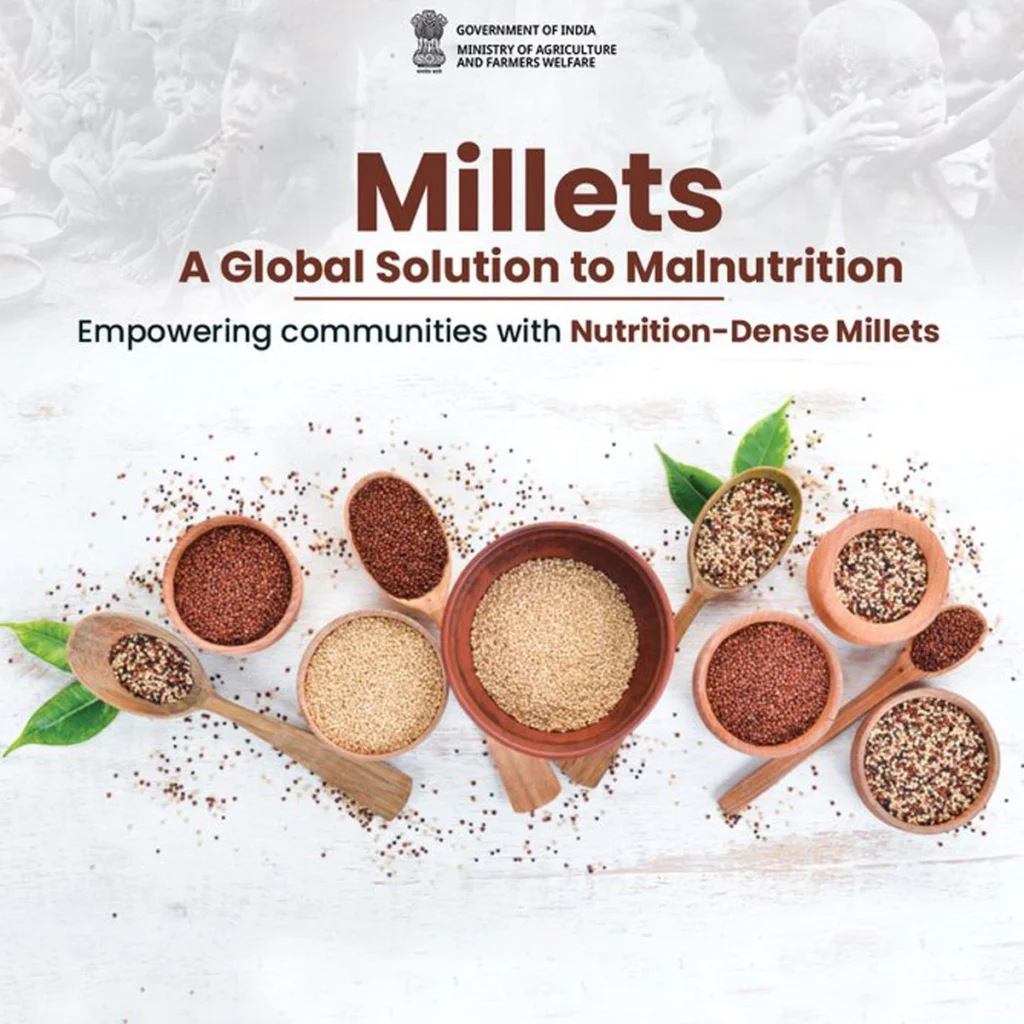
1. Sakharwadi, Satara (Maharashtra): Nestled in the rain-shadow region of Maharashtra, Sakharwadi is a model of community-led water conservation and sustainable agriculture. The village has championed the revival of indigenous millet varieties and drought-resistant crops. The ₹45.50 lakhs, according to the village Sarpanch, are slated for the establishment of a community seed bank, the installation of solar-powered irrigation for organic farms, and the creation of a native biodiversity park to promote eco-tourism and environmental education.
2. Kunjirwadi, Pune (Maharashtra): Situated closer to the urban sprawl of Pune, Kunjirwadi faces the dual challenge of conserving its natural heritage while navigating developmental pressures. The BMC here has been instrumental in documenting and preserving local medicinal plants and traditional knowledge. Their planned use of the funds includes setting up a small-scale processing unit for value-added products from these medicinal plants, creating a sustainable livelihood for women’s self-help groups, and initiating a large-scale afforestation drive on common lands.
3. Kasganj Area, Etah (Uttar Pradesh): Representing the Gangetic plains, the BMC in the Kasganj area has focused on the conservation of wetland biodiversity and native livestock breeds. The ABS funds will be utilized for de-silting and rejuvenating traditional ponds (Ahars), promoting pisciculture of indigenous fish species, and providing support to farmers for the conservation of the native ‘Etah’ breed of cattle, known for its resilience. Visit Uttar Pradesh State Biodiversity Board

The Legal and Policy Framework: How the Mechanism Works
The entire process is governed by a robust legal architecture. Under Sections 3 and 7 of the Biological Diversity Act, 2002, any person or entity (Indian or foreign) seeking to access biological resources and/or associated knowledge for commercial utilization, bio-survey, or bio-utilization must obtain prior approval from the NBA or the concerned State Biodiversity Board (SBB).
Upon approval, the entity enters into a Benefit Sharing Agreement, which stipulates the financial compensation to be paid. This can be a one-time payment, a royalty, or a combination thereof, based on the projected value of the product derived from the resource. The funds are then deposited with the NBA.
Section 44 of the Act, read with relevant State Biodiversity Rules, mandates that these funds be used for the conservation and sustainable use of biological resources, and for the socio-economic development of the concerned local bodies and communities. This ensures that the money is reinvested into the very system that generated the resource in the first place, creating a virtuous cycle of conservation and prosperity.
The Bigger Picture: Aligning with National and Global Goals
This disbursement is a cornerstone of the ‘Azadi Ka Amrit Mahotsav’ vision, which seeks to celebrate India’s 75 years of independence by building a roadmap for the next 25 years—an ‘Amrit Kaal’. By empowering local communities economically, the government is strengthening the foundations of a self-reliant or ‘Aatmanirbhar’ India, where environmental sustainability and economic growth are not mutually exclusive but are synergistic goals.
“The ‘Azadi Ka Amrit Mahotsav’ is about honouring our past and sculpting our future,” said Dr. R. R. K. Sinha, an environmental policy analyst. “What better way to do that than by investing in the communities who have been the true guardians of our natural heritage? This disbursement is a powerful symbol of a decolonized environmental governance model, where value is recognized at the source, and benefits are shared justly.”
Furthermore, this action strengthens India’s position as a global leader in implementing the CBD. While many nations struggle to operationalize the ABS concept, India, through the NBA and its network of over 2.5 lakh BMCs, is demonstrating a functional, scalable model.
Challenges and the Road Ahead
While this disbursement is a cause for celebration, it also highlights the challenges ahead. The process of identifying commercially valuable resources, negotiating with industries, and ensuring the timely flow of funds to the BMCs is complex. There is a need for greater capacity building at the BMC level to manage these substantial funds effectively and transparently.
The road ahead involves scaling up this model. The NBA is actively working on streamlining the process for more such ABS agreements, covering a wider range of biological resources—from medicinal plants to marine organisms. The goal is to make benefit sharing a regular and anticipated feature of India’s bio-economy, incentivizing conservation on an unprecedented scale.

Conclusion: A Seed for the Future
The release of ₹1.36 crore to the BMCs of Sakharwadi, Kunjirwadi, and Kasganj is more than a financial transaction. It is a seed—a seed of hope, justice, and sustainable futures. It signals a paradigm shift from a protectionist conservation model to an empowering one, where local communities are not just stakeholders but active partners and beneficiaries in the nation’s bio-wealth.
As these villages deploy these funds to secure their water, seeds, forests, and livelihoods, they are not only enhancing their own resilience but are also fortifying India’s national security against the looming threats of climate change and biodiversity loss. In the grand narrative of ‘Azadi Ka Amrit Mahotsav’, this is a chapter that truly celebrates the spirit of India—a nation moving forward by empowering its roots.
Visit https://inworldnews.com/ for more