
Table of Contents
- Introduction: More Than Just Food
- What Exactly Is a Power Diet?
- The Heart of the Matter: Core Principles of a Power Diet
- Why Embracing a Power Diet Matters Now More Than Ever
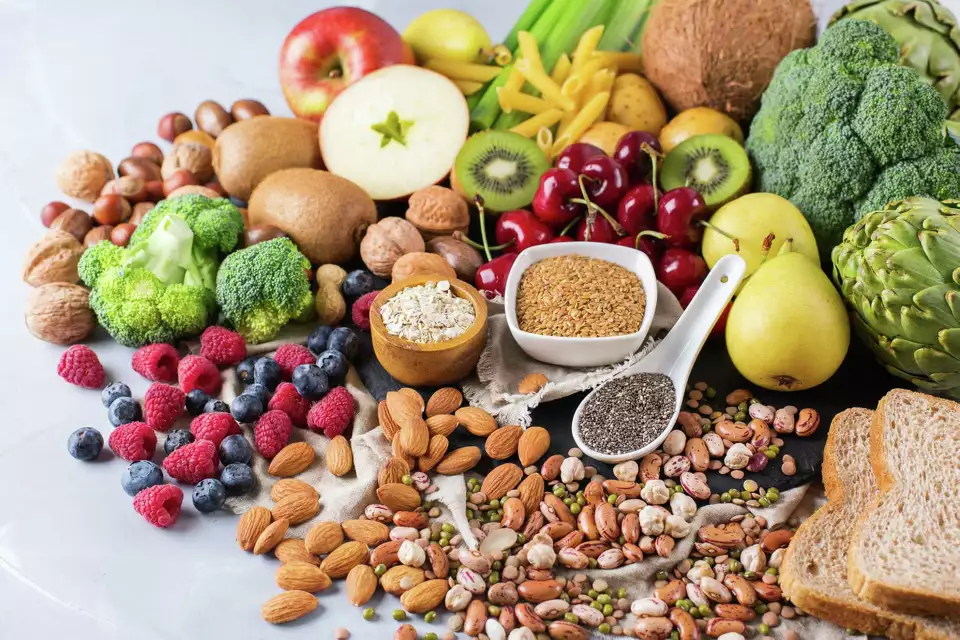
- Your Power Diet Grocery List: Foods to Embrace
- Foods to Enjoy Mindfully
- A Day of Nourishment: Sample Power Diet Meal Plan
- The Power Diet for Every Stage of Life
- The Trusted Science Behind the Approach
- Power Diet vs. Other Eating Styles: A Supportive Comparison
- Gentle Tips for Starting Your Power Diet Journey
- A Global Plate: Sustainability and Your Diet
- Addressing Common Hurdles with Kindness
- Conclusion: Your Journey to Empowered Eating
Introduction: More Than Just Food
In our beautifully busy world, the food we choose does so much more than simply satisfy our hunger. It’s the very fuel that powers our days, influences our moods, sharpens our minds, and builds a resilient foundation for our long-term health. Amidst a sea of dietary trends, one approach stands out for its balance, compassion, and profound effectiveness: the Power Diet. This isn’t about strict rules or quick fixes; it’s a supportive, sustainable journey towards nourishing your body with intention. It’s a scientifically-backed, whole-foods approach to eating that warmly welcomes individuals of all ages and walks of life.
This guide is designed to walk with you, explaining the power diet in detail, highlighting its incredible benefits, and offering practical, caring advice to help you incorporate its principles into your daily life in a way that feels joyful and manageable.
What Exactly Is a Power Diet?
Let’s demystify the term. A Power Diet is a structured, yet wonderfully flexible, way of eating that prioritizes nutrient-rich foods known to fuel your body with sustained energy, support a healthy metabolism, and gently guide you away from lifestyle-related diseases. It is the absolute opposite of extreme restriction or cutting out entire food groups. Instead, its heart beats for quality, harmony, and diversity on your plate.
Think of a power diet as a lifestyle-oriented framework that emphasizes:
- Whole, unprocessed foods that are close to their natural state
- A beautiful balance of macronutrients (carbohydrates, proteins, and fats)
- Micronutrient-dense meals packed with vitamins, minerals, and antioxidants
- The foundational importance of hydration and mindful eating
It’s a plan that can be lovingly adapted for growing children, busy adults, wise seniors, and dedicated athletes alike.
The Heart of the Matter: Core Principles of a Power Diet
This approach is built on a few, simple, powerful pillars that make it both effective and sustainable.
1. Nutrient Density Over Empty Calories
Every meal and snack is seen as a precious opportunity to supply your body with the building blocks it needs. We prioritize foods like leafy greens, vibrant berries, nuts, seeds, legumes, and lean proteins that deliver maximum nutrition.
2. Balance of Macronutrients
This is key for stable energy. A true power diet includes:
- Carbohydrates: Focusing on complex carbs like whole grains, oats, brown rice, and quinoa that release energy slowly
- Proteins: Incorporating lean meats, beans, lentils, tofu, and dairy for repair and strength
- Fats: Welcoming healthy fats from avocados, olive oil, nuts, and seeds for brain health and hormone function
3. Moderation and Portion Control
This principle is offered with kindness. It reminds us that overeating—even healthy food—can lead to energy imbalances. It’s about listening to your body’s signals of hunger and fullness.
4. Hydration as a Nutritional Pillar
Water, herbal teas, and natural fluids are emphasized over sugary beverages. Proper hydration is non-negotiable for energy, cognitive function, and overall vitality.
5. Seasonal and Local Foods
Whenever possible, choosing foods in season ensures they are at their peak of both flavor and nutrient content. It’s also a beautiful way to connect with your community and support sustainable practices.
Why Embracing a Power Diet Matters Now More Than Ever
The value of this approach extends far beyond the individual, touching on global well-being.
1. Addressing Lifestyle Diseases
With rising concerns about obesity, diabetes, and heart health, a nutrient-rich diet is one of our most powerful tools for prevention and management.
2. Supporting Mental Health and Productivity
What we eat directly affects how we feel and think. Nutrients like Omega-3 fatty acids, magnesium, and antioxidants have been shown to improve mood, focus, and cognitive performance, helping us navigate daily life with more grace.
3. Building Immunity and Promoting Longevity
Recent times have highlighted the critical need for a robust immune system. A power diet, abundant in vitamin C, zinc, and natural plant compounds, helps strengthen your body’s natural defenses for the long haul.
4. Contributing to Sustainable Living
By emphasizing plant-based choices and locally sourced ingredients, this way of eating naturally aligns with global sustainability goals, allowing you to care for your health and the planet simultaneously.
Your Power Diet Grocery List: Foods to Embrace
Filling your kitchen with these foods is the first step in your supportive journey.
- Vegetables: Spinach, kale, broccoli, carrots, bell peppers (the more color, the better!)
- Fruits: Berries, apples, bananas, oranges, papayas
- Proteins: Eggs, chicken breast, lentils, beans, tofu, salmon
- Grains: Quinoa, oats, brown rice, whole wheat bread
- Healthy Fats: Olive oil, flax seeds, almonds, walnuts, avocado
- Hydration Boosters: Coconut water, herbal teas, lemon-infused water
Foods to Enjoy Mindfully
The power diet is not about strict elimination, which can often lead to feelings of deprivation. Instead, it’s about mindful reduction. It’s perfectly okay to occasionally enjoy less-nutritious foods, but we aim to minimize:
- Ultra-processed snacks and sugary drinks
- Deep-fried foods
- Excessive red and processed meats
- High-salt packaged foods
A Day of Nourishment: Sample Power Diet Meal Plan
Here’s a gentle example of how satisfying and diverse a day of eating can be:
- Breakfast: A warm bowl of oatmeal topped with chia seeds, almonds, and fresh berries
- Mid-morning Snack: A crisp apple with a spoonful of natural peanut butter
- Lunch: Grilled salmon alongside quinoa and a medley of steamed vegetables
- Evening Snack: Crunchy carrot sticks with creamy hummus
- Dinner: A comforting bowl of lentil soup with a slice of whole wheat bread and a mixed salad
- Hydration: Sipping on 7–8 glasses of water throughout the day, perhaps with a cup of green tea
The Power Diet for Every Stage of Life
One of its greatest strengths is its adaptability.
For Children
It ensures healthy growth, brain development, and strong immunity with balanced meals that include dairy, whole grains, and colorful fruits and vegetables.
For Adults
It provides the sustained energy needed to manage workplace stress, improves productivity, and proactively reduces the risk of chronic illnesses.
For Seniors
When tailored to be rich in calcium, vitamin D, and fiber, the power diet lovingly supports bone strength, healthy digestion, and cognitive vitality.
For Athletes
It fuels top performance and efficient recovery through high-protein, nutrient-rich meals.
The Trusted Science Behind the Approach
This isn’t just a trend; it’s a method supported by robust global research. Studies in esteemed publications like The Lancet and the Journal of Nutrition consistently show that diets rich in whole foods reduce inflammation, improve gut health, and are associated with longer life expectancy.
For instance:
- Extensive research on the Mediterranean Diet—a close cousin to the power diet—shows significant reductions in heart disease risk
- Evidence continues to grow that increased consumption of plant foods lowers risks of obesity and type 2 diabetes
- Nutrients like omega-3s and antioxidants are directly linked to better memory function and a reduced risk of cognitive decline
Power Diet vs. Other Eating Styles: A Supportive Comparison
It’s helpful to see how this approach fits into the wider world of nutrition.
Keto Diet
While keto focuses on drastic carb reduction, the power diet embraces balanced, complex carbohydrates for sustained energy.
Intermittent Fasting
IF is centered on when you eat. The power diet focuses on what you eat, ensuring that when you do, you’re getting maximum nourishment.
Paleo Diet
Unlike paleo, the power diet allows beneficial whole grains and legumes, offering more flexibility.
Veganism
A power diet can absolutely be plant-based! The key difference is its inherent flexibility, allowing for the inclusion of dairy, eggs, or lean meat based on personal needs and ethics.
Gentle Tips for Starting Your Power Diet Journey
Beginning a new way of eating can feel daunting, so be kind to yourself. Start with one small change at a time.
- Plan Meals Ahead: Dedicate a little time each week to meal planning. This simple act helps avoid last-minute unhealthy choices.
- Read Labels Compassionately: Learn to identify hidden sugars and salts. This isn’t about perfection, but awareness.
- Cook at Home: Rediscover the joy of cooking. It allows you to control ingredients and portion sizes lovingly.
- Stay Consistent, Not Perfect: Small, gradual changes are the ones that stick for a lifetime. Celebrate your progress!
- Consult Nutrition Experts: If you have existing medical conditions, seeking guidance from a dietitian or doctor is a wonderful act of self-care.
A Global Plate: Sustainability and Your Diet
International bodies like the World Health Organization (WHO) promote sustainable diets for both human and planetary health. The power diet naturally aligns with these goals by encouraging a plant-forward approach, reducing food waste through mindful consumption, and supporting local farmers and producers whenever we can.
Addressing Common Hurdles with Kindness
It’s normal to have concerns. Let’s gently ease them.
“It’s Expensive”
While some “superfoods” are pricey, the core of a power diet is built on affordable staples like lentils, beans, seasonal fruits, vegetables, and whole grains.
“It’s Complicated”
It can feel that way at first, but with a little practice and planning, it becomes second nature—a simple and joyful way to feed yourself and your family.
“It’s Just Another Trend”
This is perhaps the most important point. The power diet is not a fad. It is a timeless, evidence-based approach that echoes the core recommendations of nutrition scientists and health organizations worldwide.
Conclusion: Your Journey to Empowered Eating
The Power Diet is, at its core, a supportive and compassionate framework for living well. It’s not a path of deprivation but one of abundance—abundance of energy, health, and well-being. It’s a flexible, evidence-based approach that can be tailored to support a child’s growth, an adult’s ambition, a senior’s wisdom, and an athlete’s strength.
By making mindful, informed choices about the food on your plate, you are doing so much more than eating; you are investing in your vitality, your mental clarity, and your future. Remember, this is your journey. Be patient, be kind to yourself, and take one nourishing step at a time.