
Soaring High: A Deep Dive into India’s Maturing Domestic Aerospace Ecosystem
India’s journey in aerospace is a narrative of audacious ambition, strategic evolution, and a determined push towards self-reliance. From its nascent stages in the mid-20th century to its current position as a burgeoning global player, the domestic aerospace ecosystem has transformed into a complex and multi-layered matrix of public and private enterprises, research institutions, and a supportive policy framework. This ecosystem is no longer just about assembling foreign aircraft; it is about designing, developing, manufacturing, and sustaining a wide spectrum of aerospace platforms, from fighter jets and satellites to unmanned systems and civilian aircraft.
The Historical Bedrock and the Central Pillars
The foundation of India’s aerospace ecosystem was laid by the vision of Dr. Vikram Sarabhai and the establishment of key public sector undertakings (PSUs) and research bodies.
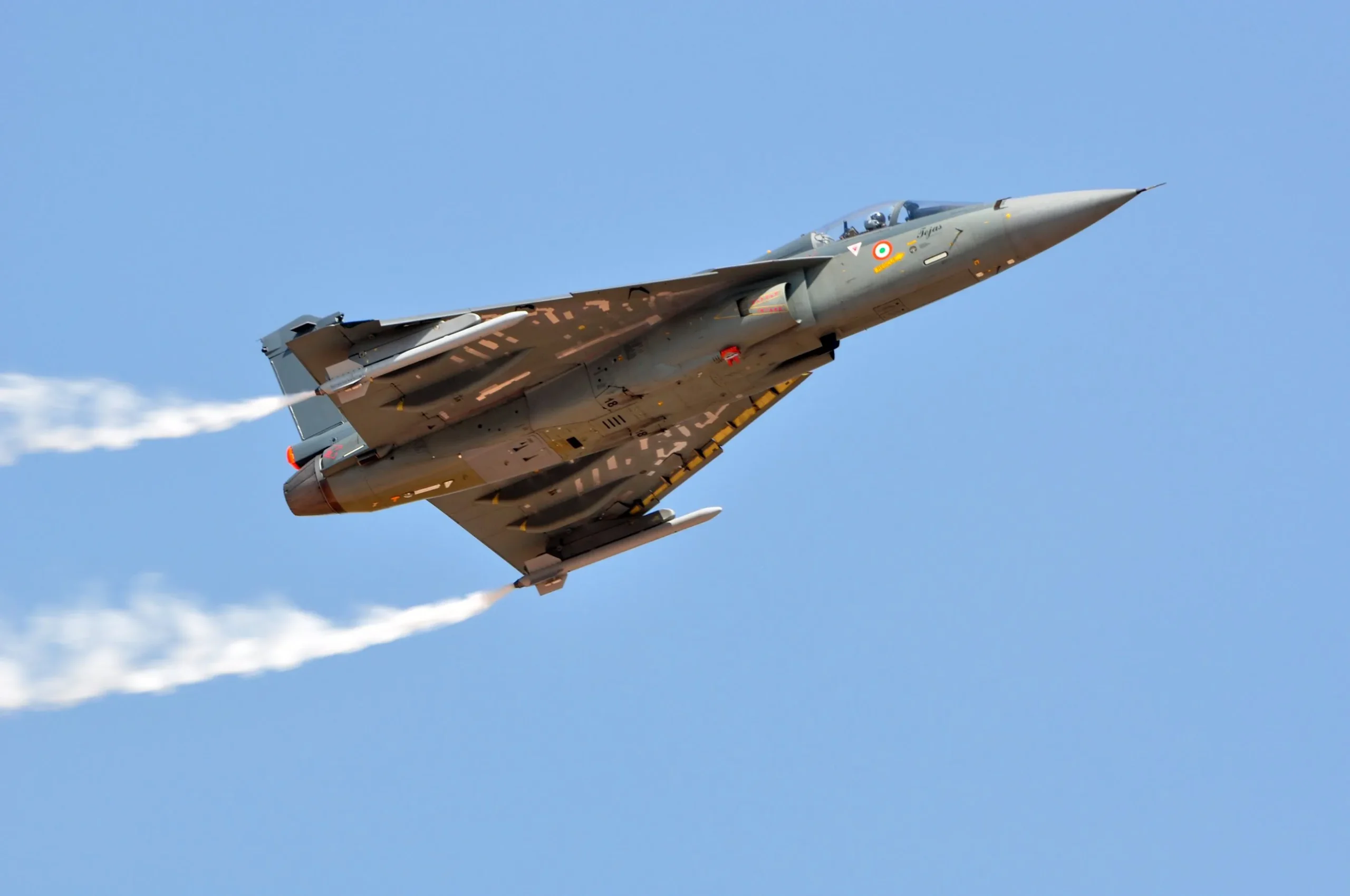
- Hindustan Aeronautics Limited (HAL): The undisputed cornerstone, HAL, established in 1940, has been the workhorse of Indian military aviation. With multiple divisions across the country, HAL’s portfolio includes the license production of iconic aircraft like the MiG-21, Jaguar, and Sukhoi Su-30MKI, and more importantly, the indigenous design and development of platforms such as the HAL HF-24 Marut (India’s first jet fighter), the HAL Dhruv Advanced Light Helicopter (ALH), the Light Combat Aircraft (LCA) Tejas, and the Light Combat Helicopter (LCH) Prachand. HAL represents the state’s strategic intent to achieve self-sufficiency in defence aviation.
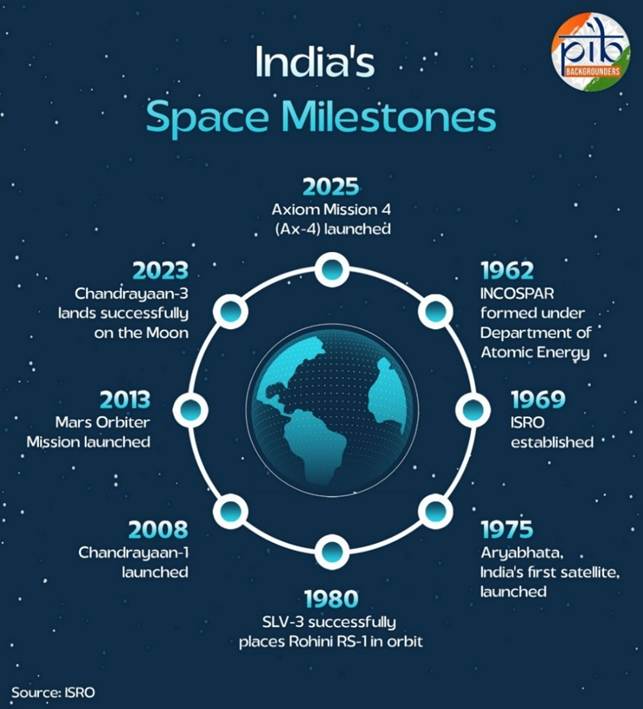
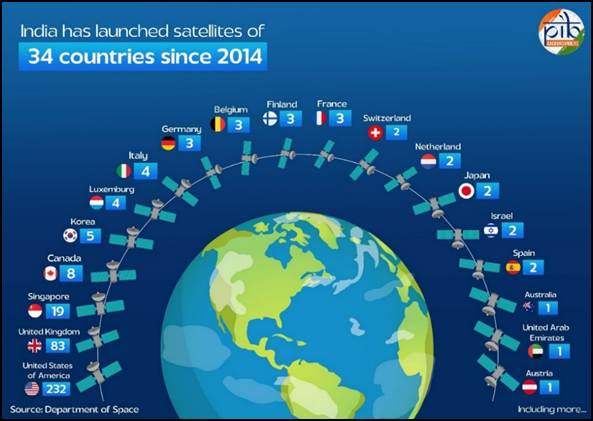
- Indian Space Research Organisation (ISRO): While seemingly a separate domain, ISRO is an integral part of the aerospace ecosystem. Its mastery over launch vehicle technology (PSLV, GSLV), satellite design and fabrication, and groundbreaking missions like Chandrayaan and Mangalyaan have created a vast pool of high-end engineering talent, cutting-edge manufacturing processes, and a culture of innovation that spills over into the aeronautics sector. The recent opening of the space sector to private players is a direct extension of this capability.
- Defence Research and Development Organisation (DRDO): DRDO’s labs, particularly the Aeronautical Development Agency (ADA), which spearheaded the Tejas program, and the Gas Turbine Research Establishment (GTRE), working on the Kaveri engine, are the R&D backbone. They undertake fundamental and applied research in aerodynamics, propulsion, materials, avionics, and systems integration.
The Expanding Universe: Key Segments of the Ecosystem
The Indian aerospace landscape can be segmented into distinct but interconnected domains.
Military Aviation: The Strategic Driver
This remains the largest and most mature segment, driven by the Indian Armed Forces’ modernization needs.
- Fighter Aircraft: The LCA Tejas Mk1A is the flag-bearer of indigenization. Its development, though protracted, has created an entire industrial base for designing and building a modern, fly-by-wire combat aircraft. The upcoming Advanced Medium Combat Aircraft (AMCA), a 5th-generation stealth fighter, and the TEDBF (Twin Engine Deck Based Fighter) for aircraft carriers represent the next frontier.
- Helicopters: HAL’s rotary-wing prowess is evident with the highly successful Dhruv ALH, its weaponized version Rudra, the LCH Prachand, and the newly launched Indian Multi-Role Helicopter (IMRH). These platforms demonstrate a complete mastery of the helicopter design and manufacturing cycle.
- Transport & Training Aircraft: The Dornier 228 is license-produced by HAL for utility and maritime roles. The HTT-40 is a robust, indigenous basic trainer aircraft, while the HJT-36 Sitara is an intermediate jet trainer.
Civilian Aviation: The Emerging Opportunity
India is one of the world’s fastest-growing civil aviation markets. While dominated by Boeing and Airbus, the domestic ecosystem is carving a niche.
- Regional Transport Aircraft: The saga of the SARAS program by the National Aerospace Laboratories (NAL) highlights the challenges of developing a civilian aircraft from scratch. After initial setbacks, the SARAS Mk2 is being redesigned, underscoring the persistence to create an Indian regional aircraft.
- Maintenance, Repair, and Overhaul (MRO): This is a high-growth segment. Companies like Air Works, GMR Aero Technic, and HAL’s own divisions provide MRO services for both airframes and engines, catering to domestic and international carriers. A robust MRO industry is critical for retaining aerospace value within the country.
Space & Satellites: The Global Powerhouse
ISRO’s success has spawned a vibrant downstream and upstream industry.
- Launch Vehicles & Satellites: While ISRO remains the primary developer, private companies like Skyroot Aerospace (which launched India’s first privately built rocket, Vikram-S) and Agnikul Cosmos are pioneering the private space launch sector. They are developing small satellite launch vehicles (SSLVs) to tap into the global small-sat market.
- Satellite Manufacturing & Applications: Companies like Ananth Technologies and Alpha Design Technologies are key players in manufacturing subsystems for ISRO. The entire ecosystem around satellite data application—in agriculture, urban planning, disaster management, and defence—is a massive economic enabler.
Unmanned Systems: The New Frontier
The Unmanned Aerial Vehicle (UAV) and drone sector is experiencing explosive growth.
- Defence UAVs: DRDO has developed strategic UAVs like the Rustom-II (Tapas) Medium Altitude Long Endurance (MALE) UAV. ADE (Aeronautical Development Establishment) has a family of UAVs for surveillance and reconnaissance.
- Civilian Drones: Startups like IdeaForge, Dhaksha Unmanned Systems, and others are leading the market in industrial inspection, agriculture, and surveillance drones. The government’s PLI scheme for drones and the new Drone Rules 2021 have provided a massive fillip to this sector.
The Industrial Base: From PSU Dominance to a Public-Private Symphony
The structure of the industrial base has undergone a radical shift.
- Tier-1: The Integrators: HAL, ISRO, and DRDO were traditionally the sole system integrators. Today, this is changing. Private giants like Tata Advanced Systems (TASL), Mahindra Aerospace, and L&T have emerged as significant players. TASL, for instance, is a crucial partner for Lockheed Martin, manufacturing C-130J airframes and cabins for the S-92 helicopter, and is the single-largest supplier of the Pilatus PC-12 airframe.
- Tier-2 & Tier-3: The Supply Chain: This layer comprises thousands of Micro, Small, and Medium Enterprises (MSMEs). These are the unsung heroes, manufacturing precision components, subsystems, sheet metal parts, and providing specialized services like heat treatment and testing. Companies like Dynamatic Technologies (airframe assemblies, flaps for Airbus), Aequs (precision components for Airbus, Boeing), and CIM Tools are global suppliers. The success of programs like Tejas has been possible only by nurturing this vast and capable supply chain.
- Global Partnerships: A key strategy has been to leverage offset obligations under defence deals. The $20+ billion Rafale deal, for example, mandates that a portion of the contract value be reinvested in India, forcing global OEMs like Dassault, Boeing, and Lockheed Martin to partner with Indian companies, thereby transferring technology and building local capacity.
The Enablers: Policy, R&D, and Skilling
The ecosystem’s growth is fueled by a supportive enabling environment.
Policy Framework
- Make in India: This flagship initiative prioritized aerospace and defence manufacturing, encouraging foreign direct investment (FDI) and domestic private investment.
- Defence Acquisition Procedure (DAP) 2020: It prioritizes the ‘Buy (Indian-IDDM)’ category, giving top priority to indigenously designed, developed, and manufactured platforms.
- Production-Linked Incentive (PLI) Schemes: For drones and air components, these schemes provide financial incentives to boost domestic manufacturing.
- Space Sector Reforms: The establishment of IN-SPACe as a single-window nodal agency for private space activities has opened up a $1 trillion global industry to Indian private players.
Research & Development
- Academic Institutions: The Indian Institutes of Technology (IITs) and the Indian Institute of Science (IISc) are powerhouses of fundamental aerospace research in computational fluid dynamics (CFD), composite materials, and propulsion.
- Specialized Centers: The Center for Incubation, Innovation, Research and Consultancy (CIIRC) at Jain University and various other incubators are fostering aerospace startups.
Skilling and Human Capital
India’s vast pool of engineers is a key advantage. Organizations like the Aeronautical Society of India (AeSI) and specialized training institutes are working to bridge the industry-academia skill gap, producing a workforce proficient in CATIA, NASTRAN, and other aerospace-specific tools.
Challenges on the Flight Path
Despite the impressive progress, significant headwinds remain.
- The Engine Conundrum: The inability to develop a high-thrust, reliable jet engine remains the Achilles’ heel. The GTRE Kaveri engine program, despite decades of effort, has not yet met its objectives for the Tejas. This critical technology gap forces dependence on foreign suppliers (GE, Safran).
- Complex System Integration: While component manufacturing is strong, the expertise in integrating complex systems with the required reliability and longevity, especially for civilian aircraft, is still developing.
- Bureaucratic Hurdles: Defence procurement and testing processes can be slow and cumbersome, often delaying projects and increasing costs. The “culture of risk-aversion” can stifle innovation.
- Funding for MSMEs: Aerospace is a capital-intensive industry with long gestation periods. MSMEs often struggle to secure adequate and patient capital for scaling up.
- Global Certification: Obtaining certifications from global aviation authorities like the FAA (USA) and EASA (Europe) for civilian aircraft and components is a rigorous and expensive process, but essential for global market access.
The Future Trajectory: Atmanirbharta and Beyond
The future of India’s aerospace ecosystem is geared towards the overarching goal of ‘Atmanirbharta’ (self-reliance). The focus is clear:
- AMCA and IMRH: The successful development of the 5th-gen AMCA and the IMRH to replace foreign helicopters will be a defining moment, proving India’s capability to create cutting-edge platforms.
- Engine Development: The recent collaboration between GE and HAL to co-produce the F414 engine for Tejas Mk2 is a step forward. The proposed joint venture between Safran and DRDO to develop a new 110 kN engine for the AMCA could be a game-changer.
- Private Sector as Co-leaders: The government’s intent is to move from a model of “PSU-led, private-supported” to “PSU and private as co-leaders.” The Tata-Airbus contract to manufacture C-295 transport aircraft in India is a prime example of this shift, creating a private sector ecosystem for military transport aircraft.
- Embracing New Technologies: The ecosystem is rapidly investing in areas like Artificial Intelligence for autonomous systems, additive manufacturing (3D printing) for complex parts, and developing new-age materials like carbon-carbon composites.
Conclusion
India’s domestic aerospace ecosystem has shed its infancy and is in a vigorous adolescent phase, marked by rapid growth, expanding ambitions, and a clear identity. It is a unique blend of a formidable public sector legacy and an agile, ambitious private sector, all underpinned by world-class scientific talent. The journey from being a licensed manufacturer to a co-developer and an aspiring originator of global aerospace platforms is well underway. While challenges in core technologies and processes persist, the strategic direction, policy support, and demonstrated capabilities across military, space, and civilian domains suggest that the Indian aerospace ecosystem is not just poised for take-off; it is already climbing, with its trajectory set firmly for the upper atmosphere of the global aerospace industry.
Read : Leap Beyond: Elevating India’s Space Saga – India’s Stellar Journey
Visit : Aerospace Systems
Visit Aerospace & Defense
Visit https://inworldnews.com/ for more